Fieldbus Technique refers to a digital, serial, two-way communication protocol used in industrial automation systems to connect field devices such as sensors, actuators, and controllers.
Instead of each sensor or actuator having its own dedicated wire back to the control system, Fieldbus allows multiple devices to share a single pair of wires both for power and communication.

CAN Interface Modules
CAN Interface Modules (Controller Area Network Interface Modules) are hardware components or devices used to connect a microcontroller, computer, or system.
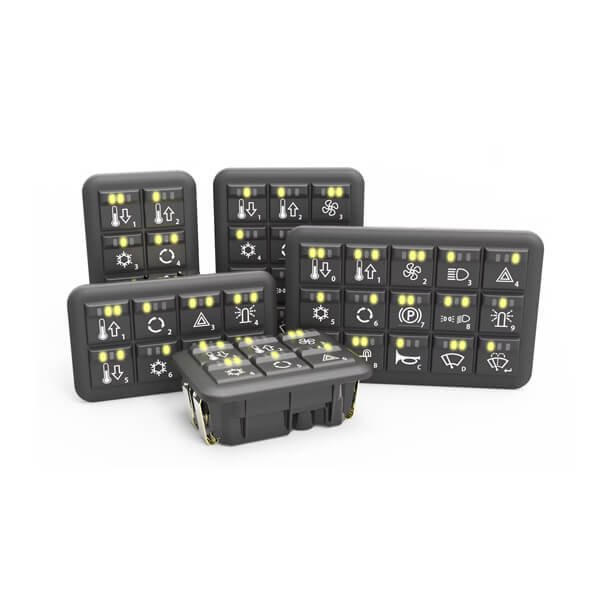
CAN Bus Keypads
CAN Bus Keypads are rugged, programmable keypads that communicate over the Controller Area Network (CAN), commonly used in automotive, off-highway, marine.
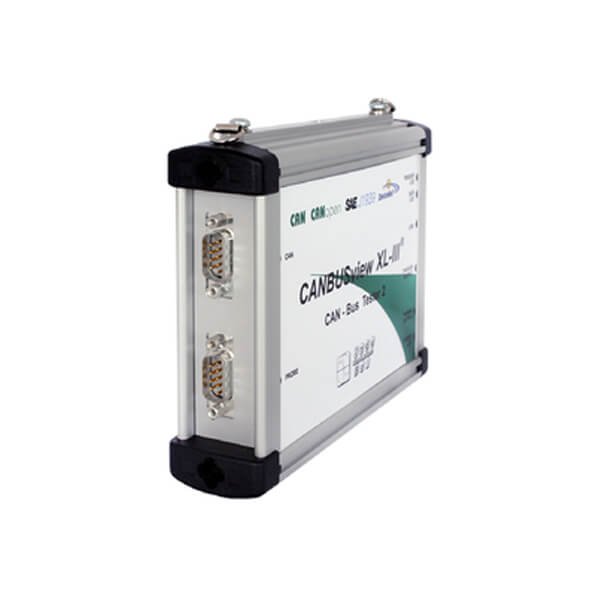
CAN Tools
Here’s a comprehensive overview of CAN tools — software and hardware used to monitor, analyze, simulate, test, and interface with CAN (Controller Area Network) buses.
CAN Topology
CAN (Controller Area Network) uses a bus topology, meaning all nodes (devices) are connected to a single communication line the CAN bus. This design supports reliable, real-time communication.
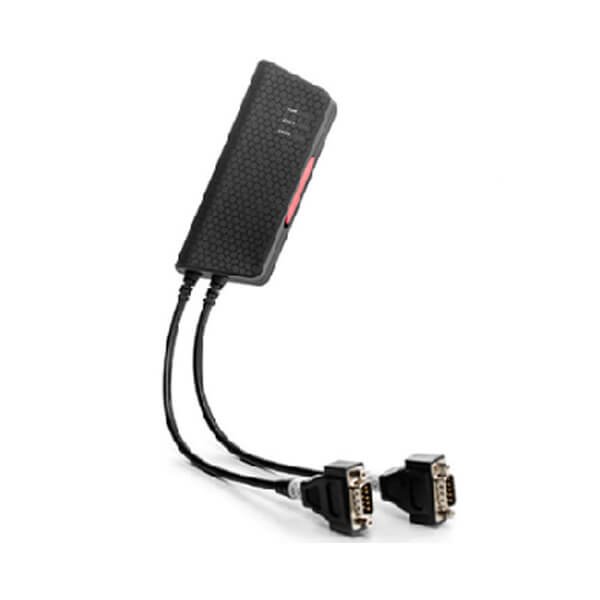
Dataloggers
Specialized devices that record messages transmitted over a Controller Area Network (CAN bus). They are widely used in automotive, industrial, agriculture, marine, and R&D environments.
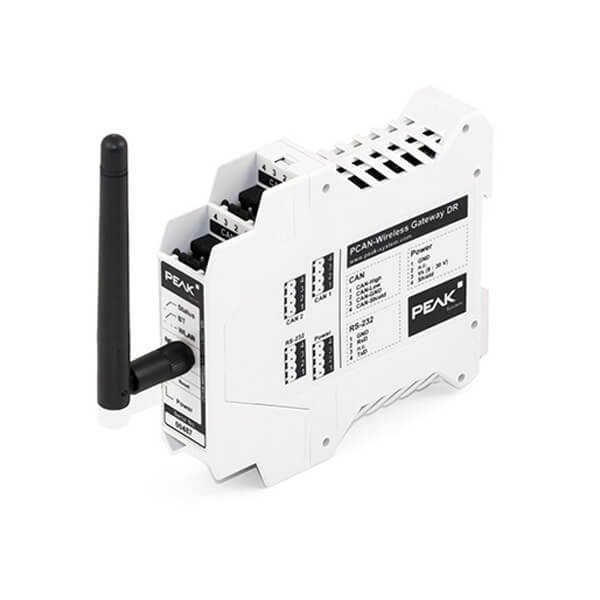
Gateways and Wireless CAN Solutions
CAN gateways and wireless CAN modules are devices that connect one CAN network to another system or network (Ethernet, Wi-Fi, Bluetooth, 4G, LIN, etc.).
Protocol Stacks
A protocol stack in a CAN-based system is the layered software that sits on top of the raw CAN frame layer, handling things like message formatting, communication.

CAN Cables and Accessories
When building or maintaining a CAN bus system, using the correct cables, connectors, and accessories is crucial for signal integrity, network reliability, and safety.
All
Fieldbus Technique refers to a digital, serial, two-way communication protocol used in industrial automation systems to connect field devices.